Home /Academics/

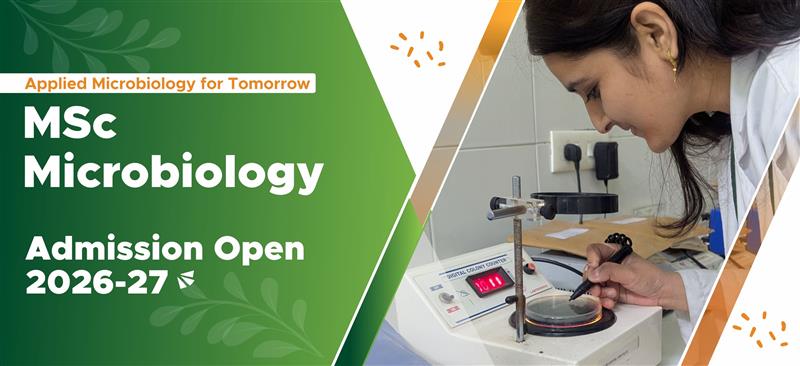
Best M.Sc Microbiology Course

image

Best M.Sc Microbiology Course in Jaipur

Format

Full Time

Opt-in Residential

Commencement Date

July 2026

Eligibility

B.Sc. Degree

(Pass course or Hons.)

Duration

2 Years
Apply Now arrow arrow
  • MSc Biotechnology Program

    Enroll in a Leading M.Sc Microbiology College

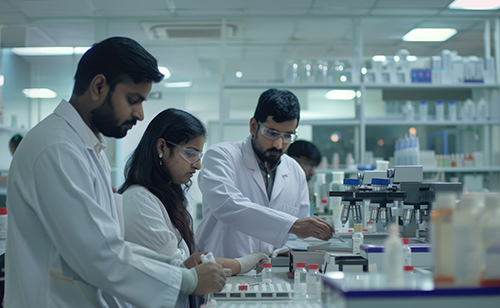
    Build a strong career in life sciences by enrolling in a M.Sc Microbiology college in Jaipur, Rajasthan like Dr. B. Lal Institute of Biotechnology (BIBT). Known for offering one of the best M.Sc Microbiology courses, the institute combines advanced laboratory training with industry-focused learning. This comprehensive Microbiology degree equips students with practical skills, research expertise, and leadership abilities for careers in healthcare, pharmaceuticals, and research. With dedicated placement support, students are well-prepared for top industry roles or higher studies such as a PhD.

Top Features of Dr. B. Lal Institute of Biotechnology's M.Sc Microbiology Course

The objectives of a Master's degree in Microbiology may vary depending on
the institution, but generally, they include:

Advanced Microbiology Knowledge
Advanced Studies in Microorganisms

Providing advanced knowledge of the biology, diversity, and interactions of microorganisms including bacteria, viruses, fungi, and parasites.
Applications of Microbiology
Applied Microbiology

Developing an understanding of the role of microorganisms in biotechnology, medicine, agriculture, and environmental sustainability.

Research Skill Development
Advanced Research Skills Development

Enhancing research skills through experimental design, data analysis, and effective presentation of scientific results.
Hands-on Laboratory Training
Hands-On Training in Microbiology

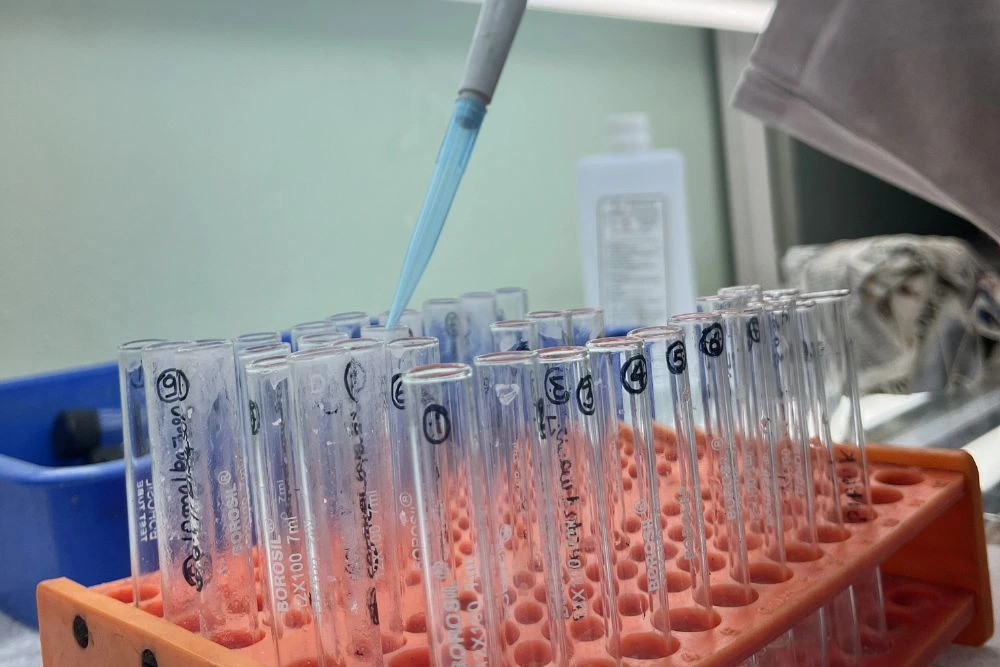
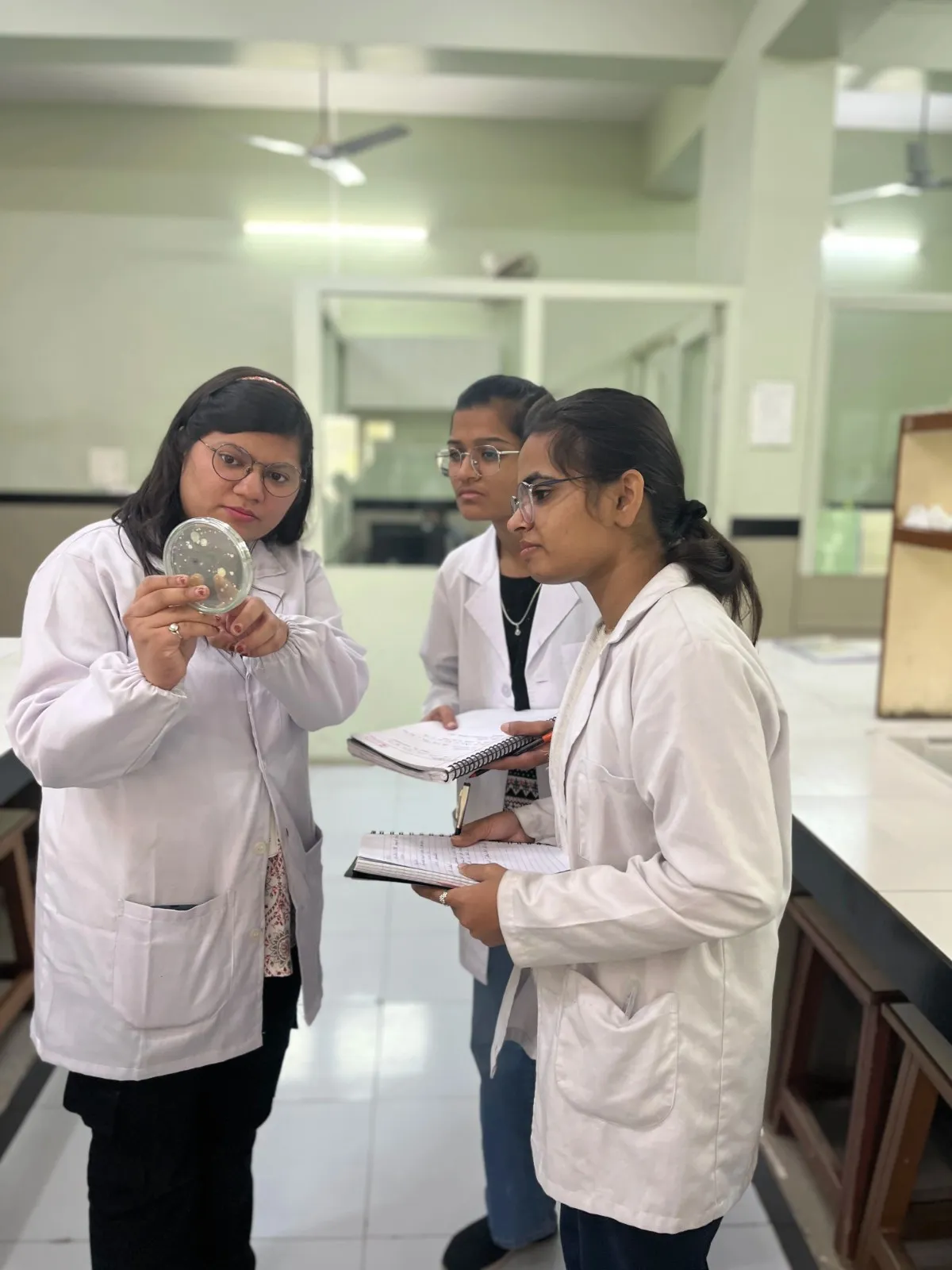
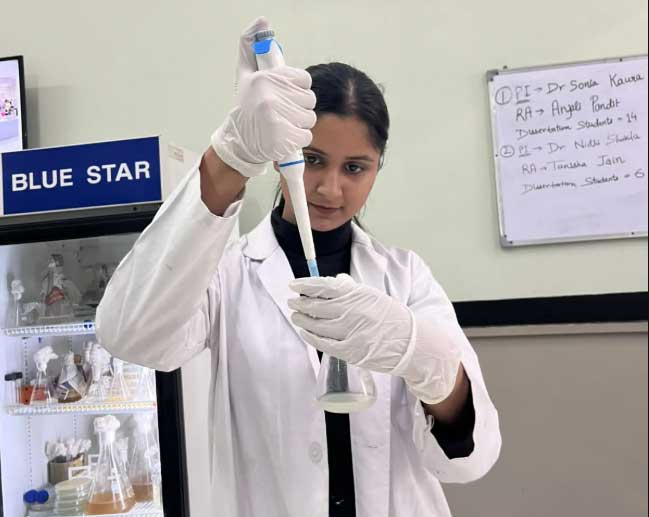
Providing extensive hands-on laboratory experience to develop strong practical and technical skills in microbiology.

Career Preparation
Career Pathways in Microbiology

Preparing students for careers in microbiology research and related fields such as biotechnology, pharmaceuticals, and environmental science.

Ethics and Lifelong Learning
Professional Ethics and Lifelong Growth

Building awareness of ethical, legal, and social issues while encouraging lifelong learning and professional development.

M.Sc. Microbiology Career Opportunities & Placement

Graduates with a Master's degree in Microbiology can pursue a variety of career paths, including:
Glimpse

Microbiology researcher: Conduct independent research in areas such as bacterial physiology, virology, and medical microbiology to better understand microorganisms and their interactions with the environment and human health.

Glimpse

Biotech product development specialist: Develop and bring new biotechnology products to market, such as drugs, medical devices, and diagnostic tests.

Glimpse

Biotech laboratory technician: Perform laboratory tests and experiments, as well as analyze data and report results.

Glimpse

Microbiology consultant: Provide expert advice to companies and government agencies on a range of issues related to microbiology and biotechnology.

Glimpse

Environmental microbiologist: Study the role of microorganisms in the environment, including their impact on air, water, and soil quality.

Glimpse

Food microbiologist: Study the role of microorganisms in food production, including food safety and preservation.

Glimpse

Medical microbiologist: Study the role of microorganisms in human health, including the causes and treatment of infectious diseases.

In addition to these specific roles, microbiology graduates can also find opportunities in related fields such as pharmaceuticals, environmental science, and food science. They can also continue their education with a PhD to further advance their careers.

M.Sc. Microbiology Course Curriculum
01

Semester

  • General Microbiology
  • Techniques in Microbiology
  • Microbial Biochemistry
  • Molecular Biology
  • Bioinstrumentation
  • Gen. Microbiology Lab (Core)
02

Semester

  • Bacteriology
  • Microbial Metabolism & Physiology
  • Medical Microbiology
  • Lab. (Based on MBC 801, MBC 802, & MBC 803)
  • Food Microbiology
  • Environmental Microbiology
  • Dairy Microbiology
  • Lab (based on electives only)
03

Semester

  • Virology
  • Microbial Genetics
  • Computational biology
  • Genetic Engineering
  • Phycology and mycology
  • Gen. Microbiology Lab
  • Lab based on electives only
04

Semester

  • Immunology
  • Microbial Ecology
  • Industrial Microbiology
  • Genomics and Proteomics
  • Agricultural Microbiology
  • Clinical and Diagnostic Microbiology
  • Lab based on Electives
  • Gen. Microbiology Lab based on MBC 1001, MBC 1002, MBC 1003
Industry-Integrated Curriculum

To establish industry-integrated, future-ready academic programs that enhance employability, research capability, and institutional distinction.

Curriculum Modernization
Introduction of New Modules
Focus Areas
Biotech + AI Integration Bioinformatics Genomics & Proteomics One Health Approach Industrial Biotechnology

Industry-reviewed syllabus
Focus Areas
Regulatory Affairs Clinical Research Biostatistics
Experiential Learning
Live projects
Focus Areas
Vaccine Development Models Fermentation Technology Microbial Analysis Drug Discovery Basics

Case studies
Focus Areas
Pandemic Response Antibiotic Resistance Food Safety
Industry Lectures
Expert sessions
Focus Areas
Career in Biotechnology Industry Trends Startups in Biotech Bioeconomy
Internships
Internship domains
Focus Areas
Quality Control/QA Clinical Research Scholarships & Fellowships Entrepreneurship in Biotechnology Lab Technician Research Internships
Industry
Partnership areas
Focus Areas
Internship pipelines Research collaboration Training programs
Faculty Development
FDPs & workshops
Focus Areas
AI in Life Sciences Advanced Lab Techniques Research Methodology Grant Writing

Industry immersion
Focus Areas
Exposure to production units QA/QC labs
Research & Innovation
Dissertation topics
Focus Areas
Cancer Biology Microbial Resistance Environmental Biotechnology Vaccine Research

Mini projects (B.Sc.)
Focus Areas
Water testing Soil microbiology Food contamination
Skill Development Sessions
Technical skills
Focus Areas
PCR Techniques Gel Electrophoresis ELISA Fermentation BLAST Python basics

Digital skills
Focus Areas
Data Analysis (Excel, Python) Scientific Writing Presentation Skills

Soft skills
Focus Areas
Communication Interview Skills Resume Building Group Discussion
Industrial Visits
Exposure visits
Focus Areas
Manufacturing plants R&D labs Food processing units
Placement Preparation
Training sessions
Focus Areas
Aptitude Mock Interviews Technical Interviews
Entrepreneurship & Startup Ecosystem
Incubation & Networking
Activities
Incubation support Hackathons Startup mentoring Industry–startup networking

Focus Areas
.
Biotech Startups Technology Transfer IPR & Patents Regulatory Pathways Bio-entrepreneurship
Monitoring & Review
Monthly review
Focus Areas
KPI tracking Feedback
MSc Microbiology Student Testimonials

Frequently Asked Questions (FAQs)

Students must have a Bachelor’s degree in Microbiology, Biotechnology, or Life Sciences with the required minimum marks. Admission may be merit or entrance-based.

The M.Sc Microbiology Course is a 2-year postgraduate program divided into four semesters, including theory and practical training.

It includes Molecular Biology, Immunology, Microbial Genetics, Medical Microbiology, Industrial Microbiology, along with lab work and research projects.

Graduates can work as Microbiologists, Research Associates, Quality Control Officers, or pursue careers in pharmaceutical, healthcare, biotechnology, and research sectors.

Yes, students can pursue a PhD or other advanced research programs after completing the M.Sc Microbiology Course.

Book 1:1 Counselling Session With Us Today!

Campus Tour
Open Day